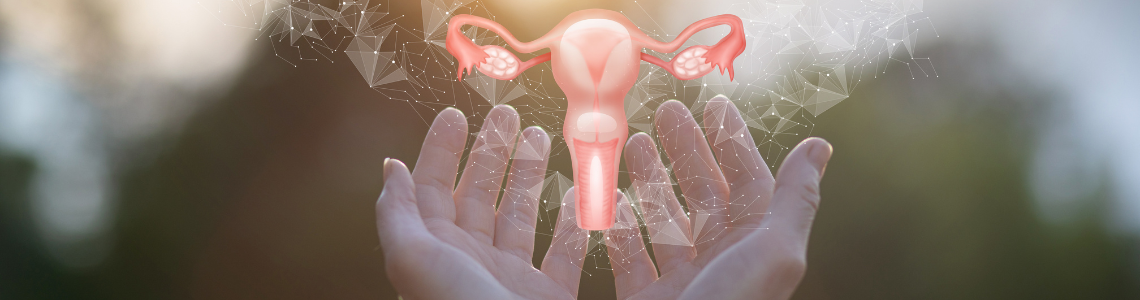
In women facing fertility challenges, conditions such as Asherman syndrome—marked by intrauterine adhesions—can lead to issues like failed implantation and a thin endometrium. In this post, we explore validated treatment options aimed at restoring reproductive health.
Understanding intrauterine adhesions
Intrauterine adhesions are bands of scar tissue that form inside the uterus. They most often develop after uterine surgery or infection, disrupting the normal endometrial lining.
What are intrauterine adhesions?
Intrauterine adhesions occur when the normally smooth uterine lining is disrupted due to trauma (such as surgical procedures) or inflammation. This disruption leads to the formation of fibrous bands connecting the uterine walls—a key feature of Asherman syndrome.
Causes and risk factors
The formation of adhesions can result from multiple factors, including:
- Uterine trauma and surgical procedures: Operations such as dilation and curettage (D&C), often performed after miscarriage or abortion, can damage the endometrial lining. Surgical interventions involving the uterus, including hysteroscopic surgeries, can also contribute to adhesion formation.
- Infections: Conditions like pelvic inflammatory disease or endometritis may trigger inflammation, which can lead to scarring and adhesion development.
Impact on reproductive health
A healthy endometrium is essential for the successful implantation of an embryo. Adhesions can lead to a thin or poorly vascularized endometrial lining, which in turn can cause:
- Failed implantation: Even with assisted reproductive technologies (ART) such as IVF, a suboptimal endometrial environment may prevent proper embryo attachment.
- Menstrual irregularities: Women may experience lighter or even absent menstrual periods due to reduced functional endometrial tissue.
Conventional treatment options
The main objective in treating intrauterine adhesions is to restore a healthy uterine lining and improve overall uterine function.
Hysteroscopic adhesiolysis
Hysteroscopic adhesiolysis is widely recognized as the standard treatment for intrauterine adhesions. During this minimally invasive procedure, a hysteroscope is inserted into the uterus, allowing direct visualization and precise removal of scar tissue.
Advantages:
- Direct visualization of the uterine cavity.
- Typically performed in a single procedure with a short recovery period.
Considerations:
- There is a possibility of adhesion recurrence.
- Postoperative hormonal therapy is often necessary to promote endometrial regeneration.
Hormonal therapy
Following surgical treatment, hormonal therapies are used to stimulate the regrowth of the endometrial lining:
- Estrogen therapy: Promotes proliferation of endometrial cells, thickening the lining.
- Progesterone supplementation: Works together with estrogen to help mature the endometrium and create a receptive environment for embryo implantation.
Advanced regenerative therapies
For patients who do not respond sufficiently to conventional treatments and who suffer moderate or severe Asherman syndrome, advanced regenerative therapies have emerged as promising alternatives.
Stem cell therapy for endometrial regeneration
Recent clinical research supports the use of autologous stem cell therapy—using the patient’s own stem cells—to repair and regenerate damaged endometrial tissue.
Process overview:
- Mobilization: Stem cells are mobilized into the bloodstream with agents such as granulocyte-colony stimulating factor (G-CSF).
- Isolation and administration: Cells expressing markers such as CD133+ are isolated and delivered (typically via minimally invasive intra-arterial infusion) to the endometrial niche.
Benefits:
- Promotes tissue regeneration and revascularization.
- Addresses the underlying damage rather than merely providing symptomatic relief.
- Uses the patient’s own cells, minimizing risks of immune rejection.
Future directions
Other regenerative approaches under exploration include:
- Tissue Engineering: Creating bioengineered uterine scaffolds that support new tissue growth.
- Decellularization/Recellularization: Techniques that remove cellular components from donor tissue while preserving the extracellular matrix for subsequent repopulation with autologous cells.
Conclusion
Intrauterine adhesions, especially as seen in Asherman syndrome, pose significant challenges to fertility by compromising the endometrial environment. Validated treatments—from hysteroscopic adhesiolysis combined with hormonal therapy to emerging regenerative therapies like stem cell treatment—offer pathways to restore reproductive health.